Sexual & Reproductive Health Rights
Zambia's youth deserve full access to the information, services, and rights that protect their health and futures. Zango Foundation works to close the SRHR gap through awareness, access, and advocacy.
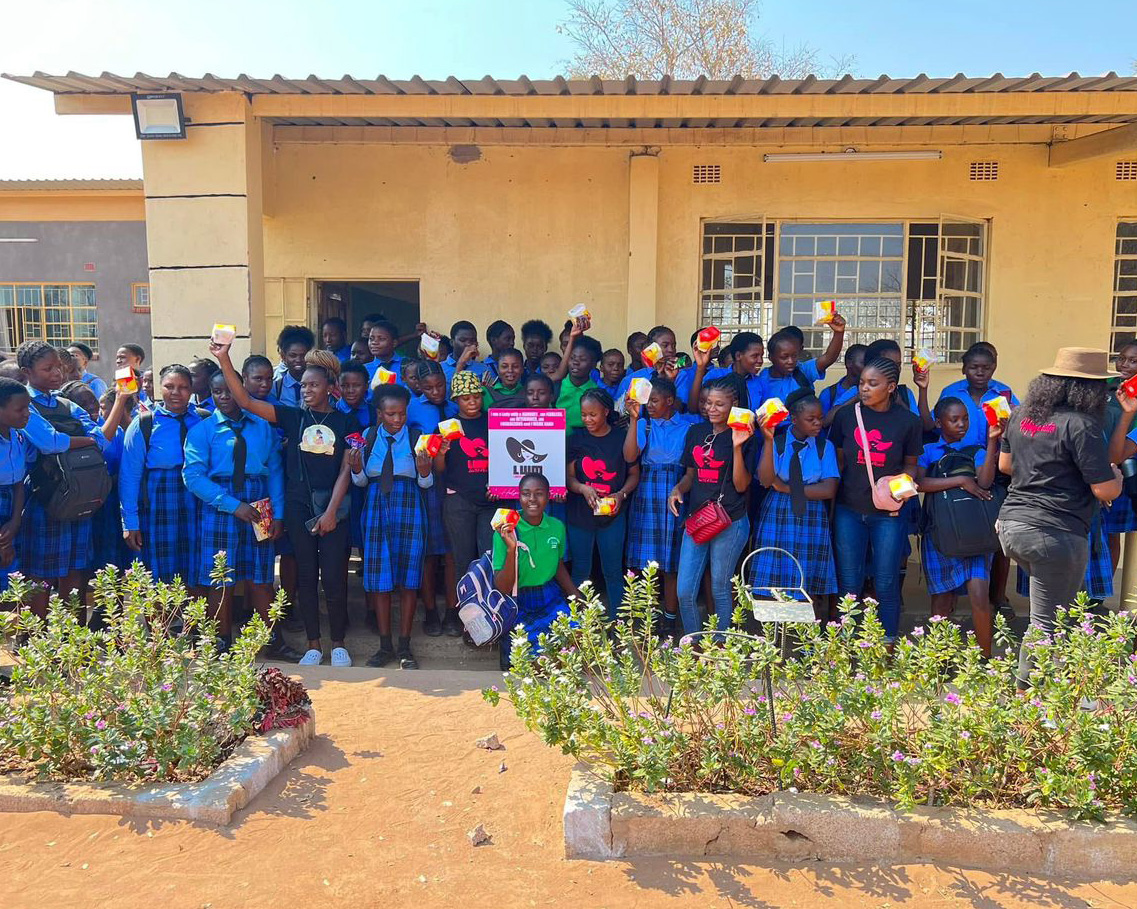
Protecting the Health and Rights of Zambia's Youth
Zambia has a significant proportion of its population below the age of 20. Young people are particularly at risk of sexual and gender-based violence, largely due to little or no information about SRHR, low access to adolescent health services, high levels of poverty, and harmful traditional beliefs and practices. Zango Foundation is committed to changing this — through awareness, service access, and policy advocacy.
ASRHR Awareness Campaigns
Zango uses multiple communication channels to promote awareness of Adolescent Sexual and Reproductive Health and Rights — including community radio stations, public forums, printed IEC materials, social media, and public meetings.
We hold structured debates on SRHR to stimulate discussion on sensitive but critical issues such as stigma, age-appropriate access to services, and gender-based violence prevention. Our goal is to normalise these conversations so that young people can seek help without shame or fear.
Access to ASRHR Services
Zango works to improve adolescent access to Sexual and Reproductive Health services at local health centres. We train local health workers in value clarification and the delivery of adolescent-friendly health service packages — creating safe, stigma-free environments where young people can seek care.
We also train youth peer educators to lead access initiatives in local health facilities, and conduct outreach activities delivering minimum packages for adolescent health directly to young people in communities.
ASRHR Policy Advocacy
Zango prioritises advocacy for an improved SRHR policy framework in Zambia. We hold policy engagement meetings with decision-makers in the ministries responsible for education, youth, and health — working to create an enabling environment for SRHR information and services.
By influencing policy, we aim to address the structural barriers that prevent young people from accessing the services and information they are entitled to — contributing to a Zambia where adolescent health is a legislative and budgetary priority.
Youth Peer Education
Young people are most effectively reached by their peers. Zango trains and supports youth peer educators — young men and women who are equipped with accurate SRHR knowledge and the communication skills to share it in their schools, neighbourhoods, and social networks.
Peer educators play a vital role in breaking down stigma, correcting misinformation, and connecting their peers to available health services. This approach builds youth leadership while extending Zango's SRHR reach beyond formal program settings.
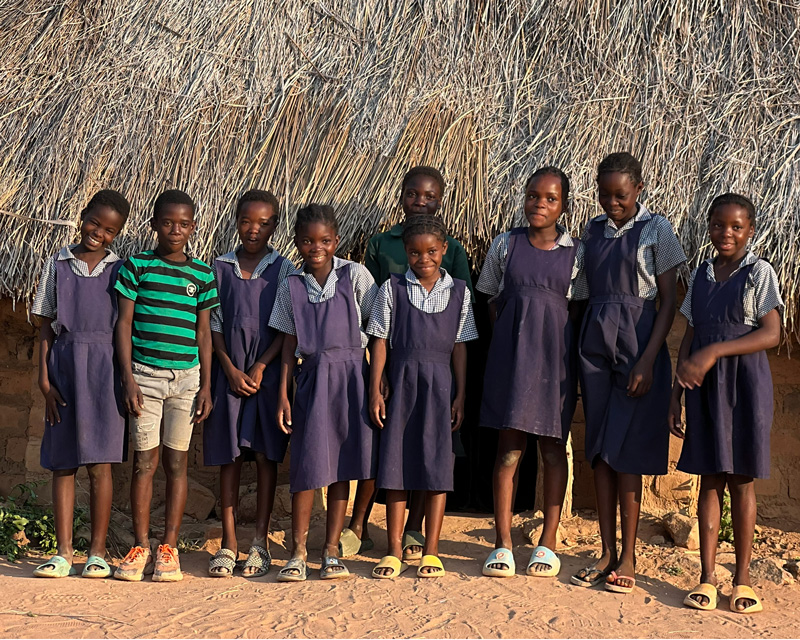
"Young people are particularly at risk of sexual and gender-based violence — mainly due to little or no information about SRHR, low access to services, and harmful traditional beliefs. Zango is here to change that."— Zango Foundation Strategic Plan 2025–2029
Aligned with the UN Sustainable Development Goals
Zango's SRHR programs contribute to both SDG 3 (Good Health and Well-Being) and SDG 5 (Gender Equality). By promoting access to adolescent health services and advocating for gender-equitable policies, we work toward a Zambia where every young person — regardless of gender — can access the care and information they need to lead a healthy life.
Other Thematic Areas
Champion Adolescent Health & Rights
Support Zango's SRHR programs by volunteering as a peer educator, sponsoring outreach activities, or partnering with us on advocacy campaigns.